
Nothing dramatic happens in the first few weeks, but the research is clear that waiting isn’t neutral either. Bone loss begins almost immediately at the site, neighbouring and opposing teeth gradually shift to fill the gap, and your options can narrow the longer treatment is delayed. Here’s what the evidence actually shows, and what it doesn’t.
Key Takeaways
- Bone width at an extraction site can reduce by close to 4mm on average, with most of that change happening in the first few months
- Neighbouring teeth can tilt or drift into the gap, and the opposing tooth can gradually over-erupt into the space
- This isn’t a fixed countdown, some patients wait years without major complications, but delay narrows your treatment options rather than keeping them open
- Bone loss is the main reason a straightforward single-implant case can later need additional preparation, such as a sinus lift
- DRA Dental assesses your specific site with a Day 1 panoramic X-ray, rather than assuming how much time has passed
What the Research Shows About Bone Loss Timing
A systematic review of post-extraction healing found an average width reduction of the alveolar ridge of close to 4mm, with clinical height loss averaging around 1.5 to 1.7mm, according to a systematic review published via PubMed. Other research places the fastest phase of bone loss within the first three to six months after a tooth is lost, after which the rate slows but continues gradually over the following years.
This matters practically because bone volume at the site is one of the main things that determines your options later. A site assessed and treated relatively soon after tooth loss often has enough bone for a standard implant. The same site assessed years later may have lost enough width or height that additional preparation, such as a sinus lift in the upper jaw, becomes part of the plan, not because anything has gone wrong, but because bone genuinely changes shape over time without a tooth root there to maintain it.
Beyond Bone: Shifting Teeth and Bite Changes
Bone isn’t the only thing that changes. Neighbouring teeth can gradually tilt or drift into an empty gap, since they’re no longer held in position by contact with the tooth that’s no longer there. The tooth directly opposite the gap, in the other jaw, can slowly over-erupt into the space, since it no longer meets resistance when you bite down. Over time, this can shift your bite, redistribute chewing forces unevenly across your remaining teeth, and in some cases affect the jaw joint.
Diane, a 55-year-old from Nottingham, had a lower back tooth removed nearly four years before she looked into a replacement. She hadn’t experienced pain, so she assumed nothing else was happening. When she messaged our dental team via WhatsApp, photos and X-rays showed some drift in the neighbouring teeth and noticeable bone narrowing at the site. Treatment was still realistic, an implant was placed following a Day 1 assessment, but her dental team was direct with her that the plan would have been more straightforward had she come in sooner.
Does This Mean You Have a Deadline?
No, and it’s worth being honest about that rather than manufacturing urgency that isn’t there. Plenty of patients wait years and still have straightforward treatment. What the research supports is a trend, not a countdown clock: the longer a gap is left, generally, the more bone and tooth-position change has occurred, and the more likely it becomes that your treatment plan needs an additional step, rather than being ruled out altogether.
Wondering how much time has passed since your tooth was lost, and whether it affects your options? Send your photos or X-rays via WhatsApp, and our dental team will give you a direct read on your specific case.
What DRA Dental Checks Before Recommending a Solution
A gap left for months or years isn’t approached with a standard assumption at DRA Dental. Our process:
- A Day 1 panoramic X-ray, which shows the current bone volume and position at the site directly, rather than estimating from how long ago the tooth was lost
- An honest read on whether a standard implant is realistic, or whether a sinus lift is needed first in the upper jaw to support it properly
- A written treatment plan reflecting what your specific site looks like now, not a generic timeline
- A direct comparison of implant versus bridge, where relevant, since a bridge doesn’t rely on the same bone volume at the gap that an implant does
Results may vary based on individual assessment, and that assessment is what shapes your options, not the number of years that have passed.
Practical Steps If You’ve Been Putting Off Replacing a Missing Tooth
A few things are worth knowing if you’re in this position:
- Waiting doesn’t rule out treatment, but it’s worth getting an honest, current read on your specific site rather than assuming the worst or putting it off further
- Send photos and any existing X-rays via WhatsApp for an initial assessment, even if the tooth has been missing for years
- Ask directly whether a sinus lift or other preparation is likely, so you know what to expect before you travel
- Consider a bridge as an alternative if bone volume turns out to be more limited, since it’s assessed differently to an implant
None of these guarantee a specific outcome, but they replace guesswork with an actual assessment of your case.
Frequently Asked Questions
How quickly does bone loss happen after losing a tooth?
Research shows the fastest phase of bone loss happens within the first three to six months, with an average width reduction of close to 4mm reported across studies, though the rate slows over time rather than stopping.
Will my teeth actually shift if I don’t replace a missing tooth?
Often, yes, to some degree. Neighbouring teeth can tilt or drift into the gap, and the opposing tooth can gradually over-erupt into the space, which can affect your bite over time.
Is there a deadline for replacing a missing tooth?
No fixed deadline. Some patients wait years without major complications. The general pattern is that longer delays make additional preparation, like a sinus lift, somewhat more likely, rather than ruling treatment out.
Can I still get an implant if I’ve waited several years?
Usually, yes, though your specific bone volume determines whether a standard implant or additional preparation first is the right plan. A Day 1 panoramic X-ray shows this directly.
What if there isn’t enough bone left for an implant?
A dental bridge is assessed differently, since it’s supported by the neighbouring natural teeth rather than relying on bone volume at the gap itself. Your dental team can compare both options for your specific case.
Where is DRA Dental Clinic located?
DRA Dental Clinic is located in Kundu, Lara Beach, Antalya, Turkey.



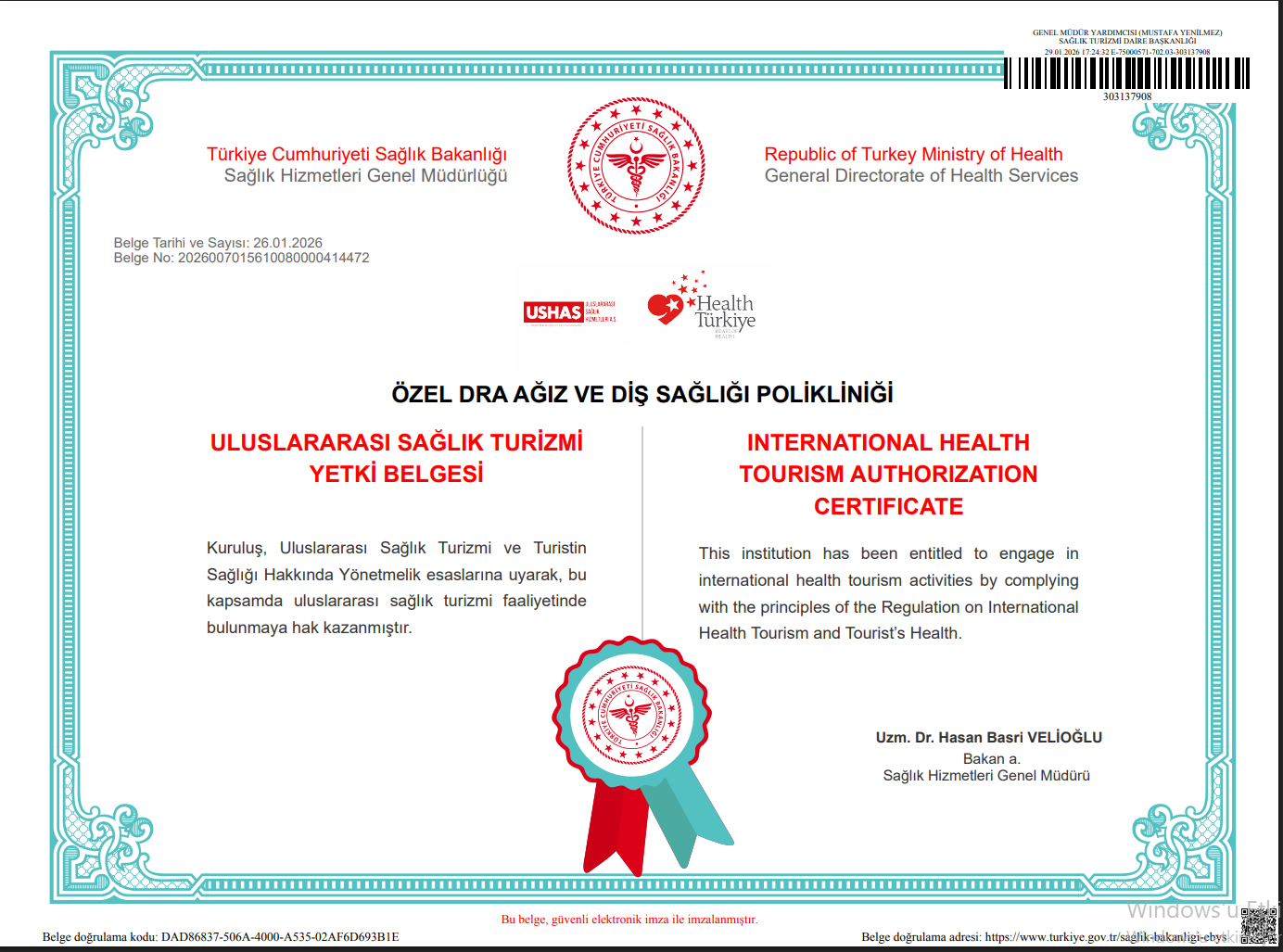
Part of Türkiye's Official Health Tourism Program

Ministry of Health Authorization Certificate
A Realistic Picture
Leaving a missing tooth unreplaced isn’t an emergency, but it isn’t neutral either. Bone changes shape, neighbouring teeth can drift, and your options can narrow the longer it’s left, without any of that meaning treatment is off the table. What matters is an honest, current assessment of your specific site, not an assumption based on how much time has passed.
Send your photos or X-rays via WhatsApp, or get in touch for a direct read on your case before you decide anything.